
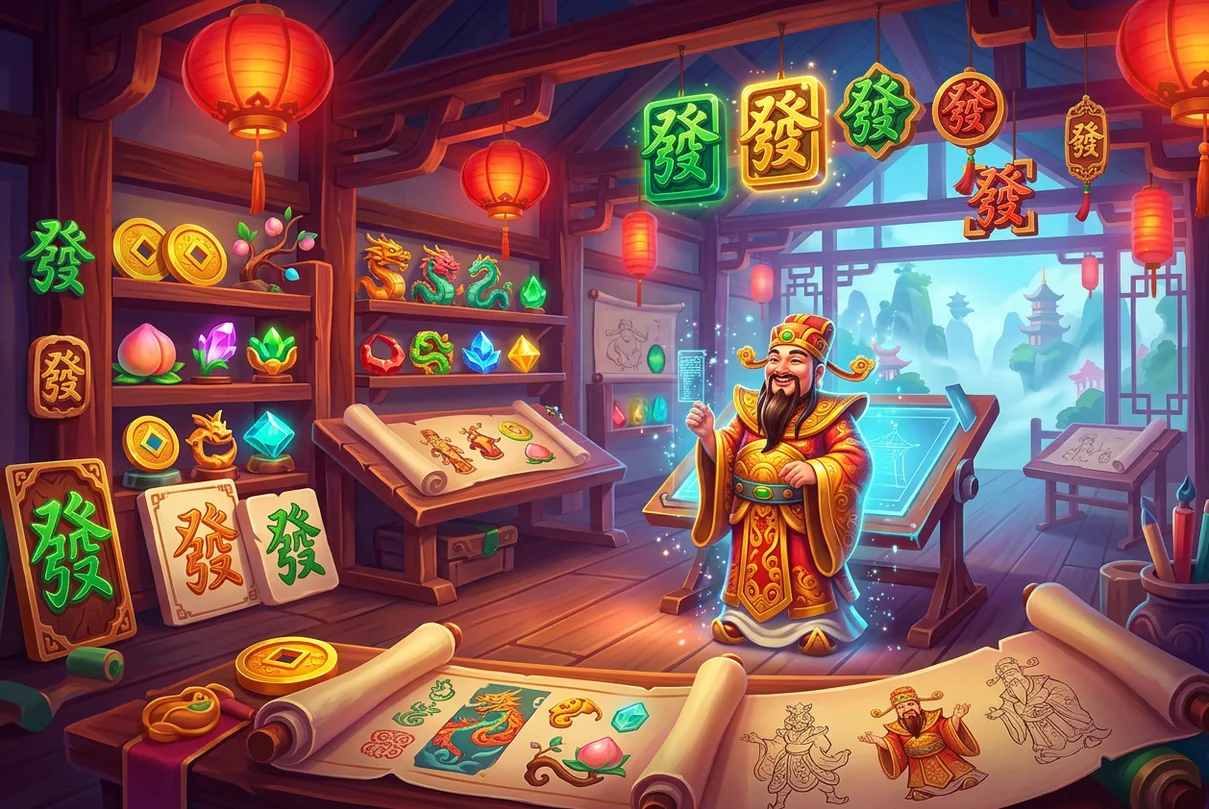
FaFaFa was built by Spadegaming, a studio founded in 2007 and generally described as Philippines-rooted with later presence in Malta and the UK. The company is mid-sized, reported at roughly 51-200 employees, and best known for Asian-themed slots and arcade-style fish-shooting titles distributed through casino aggregators.
- Catalogue size is reported inconsistently across sources (100+ to 170+ titles)
- No confirmed CEO or founder name in the gathered material
- Distributed via aggregator partners such as SoftSwiss rather than a single direct platform
Terms Worth Knowing
A model where a studio's games reach casinos through a third-party integration layer rather than direct contracts with each operator; this is how most Spadegaming content, including FaFaFa, reaches operators.
An operating licence issued by the Malta Gaming Authority; Spadegaming is reported to hold or have held one, which typically signals eligibility to supply regulated European-facing operators.
Independent verification of game fairness and RNG behaviour by an accredited lab. Spadegaming's material references BMM Testlabs and iTech Labs as certifiers of its content.
A slot layout with three reels and a single visible row per reel, generally paired with one payline. FaFaFa uses this format, which is a recognizable style within Spadegaming's wider catalogue.
Spadegaming's Portfolio and Where FaFaFa Fits
Spadegaming's catalogue leans heavily on Asian cultural themes, mobile-first design, and HTML5 delivery. Titles frequently mentioned alongside FaFaFa include Fishing War, Alien Hunter, Crazy Bomber, Fiery Sevens, Rise of Werewolves, Happy Neko, Fruit Ninja Fury, and 5 Fortune Dragons. The range spans traditional slot formats and arcade-style fish-shooting games, which is a distinctive combination compared to studios that focus purely on slots.
Within that catalogue, FaFaFa reads as a long-standing, catalogue-level release rather than a flagship product. It appears consistently across slot aggregators and casino demo libraries, but nothing in the gathered material singles it out as a launch title or a headline release the way some of the studio's more feature-heavy titles are described.
The studio's design language across its portfolio tends to favour familiar mechanics executed cleanly rather than experimental structures. Free spins, tournament tools, and features described as Fortune Wheel or Red Packet show up in provider directories as recurring elements, though not every title carries every feature. FaFaFa itself sits closer to the simpler end of that spectrum, built around a fixed single payline and colour-coded symbol variants rather than layered bonus mechanics.
Distribution-wise, Spadegaming does not appear to rely on one exclusive channel. Aggregator partnerships, most notably with SoftSwiss, place its content into casino lobbies operating under a mix of licences, including Curacao and MGA frameworks. That structure means the same title can appear across very different operator types depending on region, and availability is shaped more by each operator's market permissions than by the studio's own reach.
For a Canadian player, the practical takeaway is that Spadegaming's presence is real but indirect: the studio supplies content through partners, and whether a specific casino carrying FaFaFa is accessible depends on provincial rules and the operator's own licensing, not on anything the studio controls directly.
Questions About Spadegaming and FaFaFa
Is Spadegaming the same company that made the sequel FaFaFa 2?
Yes, both titles are credited to Spadegaming, and the sequel shares a very similar name and structure with the original, which makes it easy to confuse the two when browsing a casino lobby.
Does Spadegaming publish its own RTP figures for FaFaFa on its official site?
No official RTP figure from Spadegaming's own materials was found; the numbers circulating for FaFaFa come from third-party casino and slot-database listings, and they conflict with each other.
How does Spadegaming get FaFaFa into Canadian-facing casinos?
The studio does not appear to run its own direct-to-player site for this purpose; distribution runs through aggregator partners such as SoftSwiss, which then supply the game to individual licensed operators.
Is FaFaFa typical of what Spadegaming usually builds?
It represents one strand of the catalogue, the simple classic-reel strand, alongside a larger body of more feature-driven Asian-themed slots and fish-shooting titles that make up the rest of the studio's output.
Does the Studio Behind FaFaFa Inspire Confidence
Made for Players who want reassurance that a studio behind a simple classic slot has a real operating history, licensing footprint, and testing-lab certification.
Not made for Players looking for a studio known for headline jackpot releases or heavily marketed flagship titles; Spadegaming's profile here is steady rather than prominent.
Spadegaming presents as an established, mid-sized Asian content studio with a genuine multi-market footprint, testing-lab certification, and years of continuous output. FaFaFa itself is a minor, classic-format entry in a much larger catalogue rather than a technical showcase of what the studio can do.
See FaFaFa in Action
Play at partner casino (19+, 18+ in AB/MB/QC)Check a partner casino's lobby to see how Spadegaming's classic 3-reel format plays out on screen, with age verification required before real-money or demo access.